
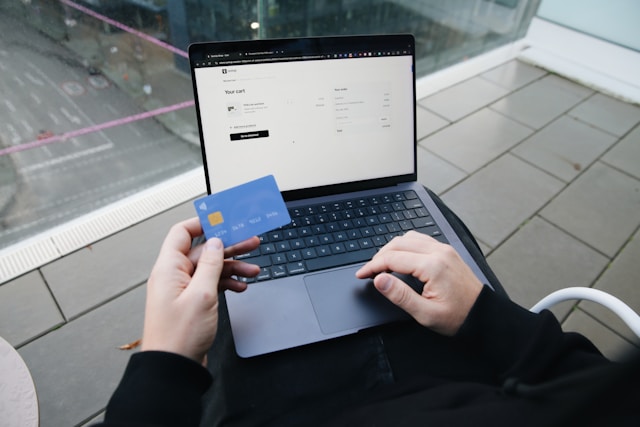
If you run ecommerce or retail marketing, you already know the pattern. You work hard (and pay a lot) to win a first purchase, and then you spend the next few months trying to turn that first order into a second, third, and tenth.
That focus is rational. Acquiring a new customer can cost five to 25 times more than retaining an existing one. And mobile is where your customers actually live day to day.
SMS marketing sits right in the middle of those two truths. It is direct, it is fast, and it works best when you treat it as part of a retention system rather than a last-minute promo blast.
This guide walks you through the core SMS marketing campaigns that support repeat purchasing, and the operational basics that keep your SMS notification service trustworthy and deliverable:
- Build SMS around customer moments like carts, restocks, and delivery updates, not random promo blasts.
- Use a few smart segments so messages stay relevant and unsubscribes stay low.
- Track repeat purchase lift, not just clicks, and keep deliverability clean with strong consent habits.
What SMS Does Well in Ecommerce and Retail
SMS is not a replacement for email, push, or paid media. It is a different tool with a different strength: it reaches people where they are already paying attention.
99% of received text messages are opened, and 90% are read within three minutes. Texts get seen quickly, which makes them ideal for moments where timing changes outcomes.
In ecommerce and retail, those moments show up constantly:
- A cart is abandoned and your best chance to recover it is within hours, not days.
- An item comes back in stock and the first buyers to see it get it.
- A delivery delay is about to create support tickets and refunds unless you set expectations early.
- A first-time buyer is still forming an opinion about whether you are reliable enough to buy from again.
If you use SMS in those moments, you are not interrupting someone for fun. You are helping them finish something they already started.
Start With Consent and Trust
SMS marketing is unusually sensitive because it is personal. People tolerate less nonsense in their messaging inbox than they do in email. Your retention gains depend on keeping the channel clean.
Make your opt-in obvious and specific
You want the person opting in to understand what they will get. That means:
- Tell them the message type they are signing up for, like offers, order updates, back-in-stock alerts, or loyalty points.
- Tell them how often you will message them, even if it is a range.
- Tell them how to opt out.
Use standardized wording like STOP for opt-out instructions and honor common-language opt-out requests.
Respect the difference between marketing and informational texts
Most teams mix promos and transactional texts under one roof. The risk is treating everything like marketing, or worse, treating marketing like “just a notification.”
In the US, rules around telemarketing texts are strict. The FCC’s 2024 order on “one-to-one consent” reinforces that each seller must obtain a consumer’s prior express written consent before sending telemarketing robotexts. Even if you are not US-based, it is a useful standard to copy because it pushes you toward clear consent records and clear program descriptions.
Build the habit of always including opt-out language
The more consistent you are, the fewer angry replies you get. Keep your opt-out line short and predictable. Most brands do something like:
“Reply STOP to unsubscribe.”
If you use multiple message types, consider a preference centre so people can reduce frequency or select categories rather than quitting completely.
Plan SMS Around Customer Moments, Not Around Your Calendar
When SMS marketing underperforms, it is usually because messages are sent based on internal goals rather than customer context.
A practical way to structure your program is to list your highest-value “moments” and assign one SMS marketing campaign to each moment. Your calendar promos then sit on top of that foundation, not instead of it.
Here are the moments that matter most for repeat purchasing:
The first seven days after a first purchase
This is where trust is won or lost. It is not the time to flood someone with coupons. It is the time to make the experience feel smooth and reliable.
The day a cart is abandoned
Cart abandonment is normal, but it is still an opportunity. Baymard’s research shows an average documented cart abandonment rate around 70%, and it also lists the most common reasons people abandon, including extra costs, slow delivery, lack of trust, forced account creation, and a complicated checkout.
That list tells you what your SMS should address, not just that you should send one.
Any time delivery expectations are at risk
Post-purchase messaging does not feel like marketing, but it drives retention because it prevents disappointment. Ipsos reports that 85% of online shoppers say a poor delivery experience would prevent them from ordering from that retailer again.
That is a repeat-customer stat hiding inside operations.
Audience Segmentation That Helps

You do not need 40 segments to do SMS well. You need a few segments that change what you send and when you send it.
Start with these, then expand only when you have a reason:
First-time buyers
Goal: Reduce anxiety and build confidence. Messages should focus on clarity, tracking, and support.
Repeat buyers
Goal: Increase purchase frequency and basket size. Messages can reference past categories and replenishment patterns.
High-intent browsers
These are people who viewed multiple products, returned to a product page, or used search filters.
Goal: Move them from consideration to purchase without sounding pushy.
VIP customers
Define VIP by your business, such as lifetime value, order frequency, or average order value.
Goal: Treat them like insiders with early access, not constant discounts.
Discount-driven buyers
Some customers only convert on promotions.
Goal: Limit promo volume and keep it predictable so you do not train everyone to wait for discounts.
SMS Marketing Campaigns That Support Repeat Customers
You will see a lot of SMS strategy content that focuses on promos. Promos matter, but repeat purchasing is usually built by flows that reduce friction, answer questions, and reinforce trust.
Welcome series that sets expectations
A welcome series can be one or two messages. The aim is not to sell. Here you want to set the ‘rules of engagement’.
What works well:
- Confirm what they signed up for
- Ask for a preference that improves relevance
- Provide a small “save for later” value like a sizing guide link, store locator link, or order tracking link
Example message ideas:
- “You’re in. You’ll get early access and restock alerts. Reply STOP to opt out. What do you shop most, 1 shoes 2 denim 3 skincare?”
- “Thanks for joining. If you want fewer texts, reply LESS. If you want restock alerts only, reply RESTOCK.”
If you ask a question, follow through. Two-way SMS is a way to learn what to send next.
Abandoned cart flows to address abandonment reasons
Most abandoned cart texts fail because they assume the only problem is forgetfulness. If extra costs and delivery speed are top concerns, your messages should bring clarity, not just urgency.
A sensible 3-step flow looks like this:
Message 1: within 30 to 60 minutes
Purpose: help them resume checkout.
“You left [item] in your cart. Want the link to finish checkout? [short link] Reply STOP to opt out.”
Message 2: after 4 to 8 hours
Purpose: reduce uncertainty with specifics.
“Quick note. Shipping is [X] days to [city/region], and returns are [policy summary]. Checkout here [short link].”
Message 3: after 20 to 28 hours
Purpose: last reminder, not last threat.
“Still thinking it over? Your cart is saved. If you have a question, reply here and we’ll help.”
If you offer a discount, be careful. Discounts can recover a cart and also train people to abandon on purpose next time. A cleaner approach is to reserve discounts for segments that need them, like price-sensitive customers, or for carts above a certain threshold where margin allows it.
Browse abandonment that feels helpful
Browse abandonment is for people who showed interest but did not start checkout. It works best when you send something useful:
- Product comparison
- Back-in-stock option
- Reminder of store pickup
- Size guide or fit help
Example:
“Saw you looking at [category]. Want a quick fit guide before you choose? [link]”
This is a place where retail teams can win by sounding human rather than promotional.
Back-in-stock and price-drop alerts to convert without discounts
Restock alerts are retention gold because they are customer-requested. They also reduce churn because the customer does not need to keep checking manually.
Best practice details that help conversion:
- Tell them the variant, not just the product.
- Include urgency based on stock reality, not fake scarcity.
- Make the link take them directly to the exact variant.
Example:
“Your size is back. [Product] in [Size] is available again. Grab it here [link].”
Order and delivery SMS notifications to protect repeat purchasing
An SMS notification service should not only say “shipped.” It should reduce support tickets and keep expectations aligned. Given how much delivery affects repeat behavior, this is a retention lever, not a logistics detail.
A practical sequence:
- Order confirmation with order number and expected dispatch window
- Dispatch confirmation with tracking link
- Out-for-delivery message if available
- Delivery confirmation with a simple “need help” reply path
- Delay notification before the customer has to ask
Example delay text:
“Update on order [#1234]. Carrier delays mean delivery is now expected [new date]. Reply HELP if you want options.”
That one message can prevent refunds and chargebacks, and it signals that you are paying attention.
Review and feedback requests that build trust for the next purchase
If you want repeat customers, you want confidence. Reviews and feedback help, but timing matters.
Good timing is usually:
- After delivery confirmation
- After a reasonable “use time” for the product category
Keep it short and make it easy:
“How did it go with [product]? Reply 1 bad 2 ok 3 great.”
- If they reply 3, then send the review link.
- If they reply 1 or 2, route them to support.
This approach protects your public ratings and surfaces product issues early.
Winback flows that are not just discount blasts
Winback works when it is based on what they bought and how often they buy, not on a random 45-day timer.
For replenishable products:
- Message around the expected replenishment window
- Offer a one-tap reorder link
For non-replenishable categories:
- Focus on new arrivals in their category
- Offer early access rather than discounting
Examples:
- “Running low? Reorder your last [product] in two taps [link].”
- “New drop in [category] you bought last time. Want first pick? [link].”
SMS Marketing Techniques That Consistently Lift Performance

These are the basics that move metrics without making your program louder:
One message, one job
A text should do one thing. If you cram multiple offers into one message, you create indecision and lower clicks.
Use clear links and stable domains
Customers hesitate when a link looks suspicious. Use branded short links if you can, and keep them consistent.
Personalisation that is earned
Use personalisation that is based on something real, like a category they bought, a store location they selected, or a size they saved. Avoid personalisation that feels creepy, like referencing too much browsing detail.
Two-way messaging that reduces friction
Let customers reply with questions. Even basic keyword replies can reduce support load and increase trust.
Frequency caps that protect list health
If your unsubscribe rate spikes after a campaign, that is a signal you are over-sending or under-segmenting. Protect your list by limiting how often someone can receive promo messages in a week, especially if they are not clicking.
Timing that respects daily life
Avoid sending at odd hours. Use local time zones where possible. For retail, morning and early evening often outperform late night, but your data should decide.
Measurement That Proves Retention Impact
Clicks are easy to track and easy to overvalue. If your goal is repeat purchasing, you need a view that connects SMS marketing campaigns to customer behavior over time.
Track these basics:
Deliverability and compliance health
- Delivery rate and failure reasons
- Unsubscribe rate
- Spam complaint signals if available
- Opt-in source quality
Engagement
- Click-through rate by segment
- Reply rate for two-way programs
Revenue and retention
- Conversion rate within a defined attribution window
- Repeat purchase rate for SMS subscribers vs non-subscribers
- Time to second purchase
- Revenue per recipient for key campaigns
If you want a cleaner answer on incremental lift, run holdout tests. A small percentage of your list does not receive a campaign, and you compare outcomes. This stops you from giving SMS credit for purchases that would have happened anyway.
Deliverability Basics Every Ecommerce Team Should Know
Even the best copy fails if messages do not reach inboxes consistently.
Here are the operational factors you can control:
Keep program content consistent with consent
Carriers and regulators care about whether you are sending what the customer agreed to receive. If your opt-in promised order updates and you send daily promos, you are inviting complaints.
Use clear sender identity rules by country
Rules vary by market. Some countries favor alphanumeric sender IDs, others use long numbers, and some require pre-registration. Your SMS service provider should help you handle this, but your team still needs to understand that “one sender everywhere” is not always realistic.
Understand A2P requirements in the US
If you message US recipients, A2P 10DLC registration is part of the deliverability picture. 10DLC is an A2P channel where brands and campaign service providers are verified before sending.
Your sending identity and campaign type should match what you are doing, and your opt-in records should be easy to produce if requested.
Avoid content that triggers filtering
This is not about being timid. It is about avoiding patterns associated with spam:
- Excessive ALL CAPS
- Too many links
- Repetitive discount language
- Misleading urgency
- Vague sender identity
Your cleanest path is straightforward language and consistent opt-in practices.
Follow This 30-day Plan
If you want a structured way to build or fix your SMS marketing, do this in four steps.
Week 1: Set foundations
- Audit opt-in sources and update language so it matches what you send
- Add clear opt-out instructions to every message type
- Create segments for first-time buyers, repeat buyers, VIP, and discount-driven buyers
Week 2: Build the high-impact flows
- Abandoned cart flow with three messages
- Back-in-stock flow for high-demand items
- Post-purchase order and delivery SMS notifications
Week 3: Add retention accelerators
- Review and feedback flow with a reply-first approach
- Replenishment or winback flow based on product timing
- Preference capture message for new subscribers
Week 4: Improve relevance and measurement
- Add frequency caps for promos
- Run a holdout test on one campaign
- Review unsubscribe spikes and adjust segments, not just copy
If delivery experience is a known pain point, prioritise proactive delivery updates.
Turn SMS Marketing Into A Repeat Customer System
SMS marketing works best when you treat it as customer experience, not a loudspeaker. The strongest programs win repeat customers by showing up at the right moments with useful information, reliable order updates, and promos that feel earned rather than constant.
If you build your SMS marketing campaigns around those moments, the channel stops being “another thing to send” and starts becoming a system that steadily raises repeat purchase rate, reduces support issues, and makes your brand feel dependable.
