
Two-Way SMS: Surveys, Polls, Autoresponders and Chatbots

How customers reply to your texts and how replies reach your app, with a webhook code example and practical designs for surveys, polls, keywords and SMS chatbots.
How to Integrate an SMS API: 6 Steps From Sign-Up to Go-Live
An end-to-end SMS API integration walkthrough: create a key, set your sender ID, send a first message, receive delivery reports on a webhook, handle opt-outs and go live without surprises.
What Is CPaaS? A Practical Guide for Teams That Want Omnichannel Messaging

CPaaS explained for product and engineering teams: how one API layer routes SMS, WhatsApp, Viber and RCS, the building blocks that matter, where SMS and CPaaS are heading, and a four-week rollout plan.
SMS Character Limits Explained: 160, 153, 70 and 67
Why one SMS holds 160 GSM-7 or 70 Unicode characters, which characters count double, how emoji and multipart segments work, and what each extra segment costs.
MNP Lookup: Route SMS to the Right Network and Stop Paying for Dead Numbers

An MNP lookup shows which network a mobile number belongs to today. Here is why that matters for SMS routing, how it differs from HLR, and how to use it to clean your lists.
What Is SMPP? Protocol, Ports and How It Works
SMPP (Short Message Peer-to-Peer) is the binary protocol carriers and high-volume senders use to exchange SMS with an SMSC. This guide covers versions, binds, PDUs, delivery receipts, encoding, ports and security.
SMPP API vs HTTP API: Which Is Better for SMS?
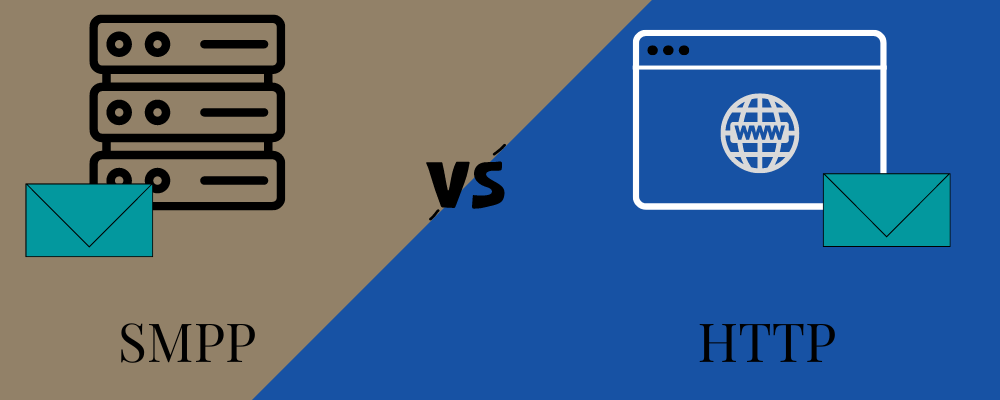
An HTTP API suits most apps; an SMPP API suits carriers, aggregators and heavy, spiky senders. Compare throughput, setup, delivery reports and security, with real code and clear signs it is time to switch.